Upholstery: a complete guide for Surrey homeowners
By J Hardy French Polishing
Upholstery: a complete guide for Surrey homeowners
Upholstery is more than a new fabric. For Surrey homes—whether Victorian terraces in Guildford, period cottages near Portsmouth or modern family houses in Corbyn—good upholstery combines structural repair, correct fillings and the right finish to suit how you live.
J Hardy French Polishing is a family-run specialist with 40 years’ experience restoring furniture and reupholstering domestic interiors. This guide shows what to look for, practical choices, and how to prepare your furniture for long life.
Why proper upholstery matters
Poor re-covering hides problems. A new cloth on rotten webbing or tired springs looks fine for a while, then sags and creaks. Proper upholstery addresses:
- Frame stability and joint repair
- Spring and webbing replacement where needed
- Correct filling and foam specification
- Professional stitching, piping and calico lining for a durable finish
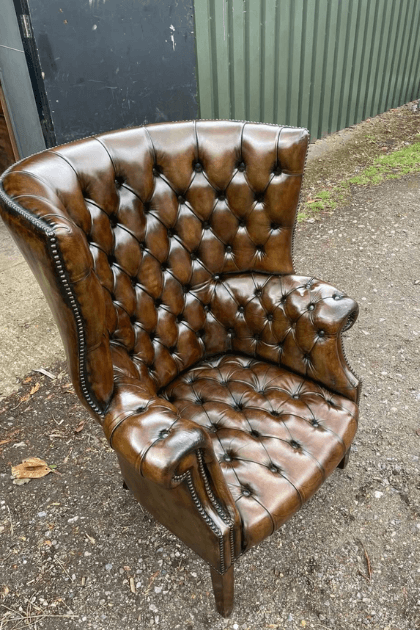
Investing in quality upholstery extends the life of prized pieces—antique armchairs, stair-rail seating, or bespoke sofas—so the piece remains a feature in your Surrey home.
Check the structure first: a homeowner’s quick inspection
Before you choose fabrics, do a quick check:
- Sit and listen: does the seat creak? Is there uneven support? That points to springs or loose joints.
- Lift cushions: does the seat base feel soft or slump? Check for sagging webbing or broken slats.
- Move the piece: wobbling indicates loose mortise-and-tenon or dowel joints that need stabilising.
- Look under: a torn dust cloth (calico) often means internal work has been neglected.
Take photos from several angles and note sizes (seat width, depth, back height). These help any upholsterer prepare an accurate quote.
Choosing fabric for Surrey homes
Pick fabric by use, not just colour. Key considerations:
- Martindale rub count: for occasional rooms 15,000–20,000 is acceptable; for family rooms aim for 30,000+. Higher Martindale = better abrasion resistance.
- Fibre choice: wool and cotton blends breathe well; performance blends and treated linens resist stains; velvet and leather read as premium but have different care needs.
- Pattern repeat & match: patterned fabrics need extra yardage and skilled matching at seams.
- Sunlight: south-facing rooms in Surrey need UV-resistant or darker tones to avoid fading.
Ask to see a full sample, not just a swatch. Drape it over the piece to check drape and pile direction.
Fillings, springs and workmanship that last
- Springs: coil-sprung seats give longevity and comfort; serpentine (s-shaped) springs are common in budget jobs but can be adequate when correctly tensioned.
- Webbing: traditional jute webbing is robust; elastic webbing suits lighter use but can sag quicker.
- Foam densities: for daily seating aim for higher density seat foam (longer-lasting support); softer foams or feather-down are fine for occasional seating or backs.
- Traditional fillings: horsehair and wool are still preferred for antiques—breathable and historically accurate.
- Stitching and finishes: double-stitched seams, piped edges and a full dust cloth (calico) under the base all show quality workmanship.
Repair vs reupholster: how to decide
Consider reupholstery when: frame and springs are sound but coverings are worn; fabric has sentimental or material value; the piece is bespoke or an antique. Choose structural repair when joints, rails or springs are failing—repair first, cover second.
When to consider replacement: mass-produced frames with multiple concealed repairs can be more cost-effective replaced, but always discuss conservation first for pieces with heritage value.
Practical tips to prepare for a visit
- Clear access and a clean space for the fitter to work.
- Remove loose cushions and any ornaments.
- Provide photos of problem areas plus measurements.
- Decide on scope: cosmetic re-cover, full strip-and-rebuild, or a combination with French polishing for visible timber areas.
Maintenance: keep upholstery looking its best
- Vacuum regularly with a soft brush head; avoid vigorous rubbing.
- Rotate and flip cushions to even wear.
- Tackle spills immediately with a blotted, not rubbed, approach and refer to the fabric supplier’s cleaning code.
- Avoid direct sun on delicate fabrics; use blinds or reposition furniture seasonally.
- For antiques, combine reupholstery with a finish refresh—French polishing on exposed wood preserves the look and value.
Getting a quote: what affects price
Factors that influence the cost of upholstery include fabric choice and quantity, extent of internal repairs (springs, webbing), foam specifications, pattern matching and travel. Ask for an itemised quote so you can see where savings or upgrades are possible.
Ready to restore or reupholster your furniture?
For bespoke upholstery, furniture restoration and traditional finishing across Surrey—including Guildford, Portsmouth and Corbyn—J Hardy French Polishing offers a careful, craft-led approach. With 40 years’ family experience, the business specialises in sympathetic upholstery paired with expert French polishing for visible woodwork. Contact J Hardy French Polishing for an on-site assessment and a tailored quote for your project.