
French Polishing
French Polishing
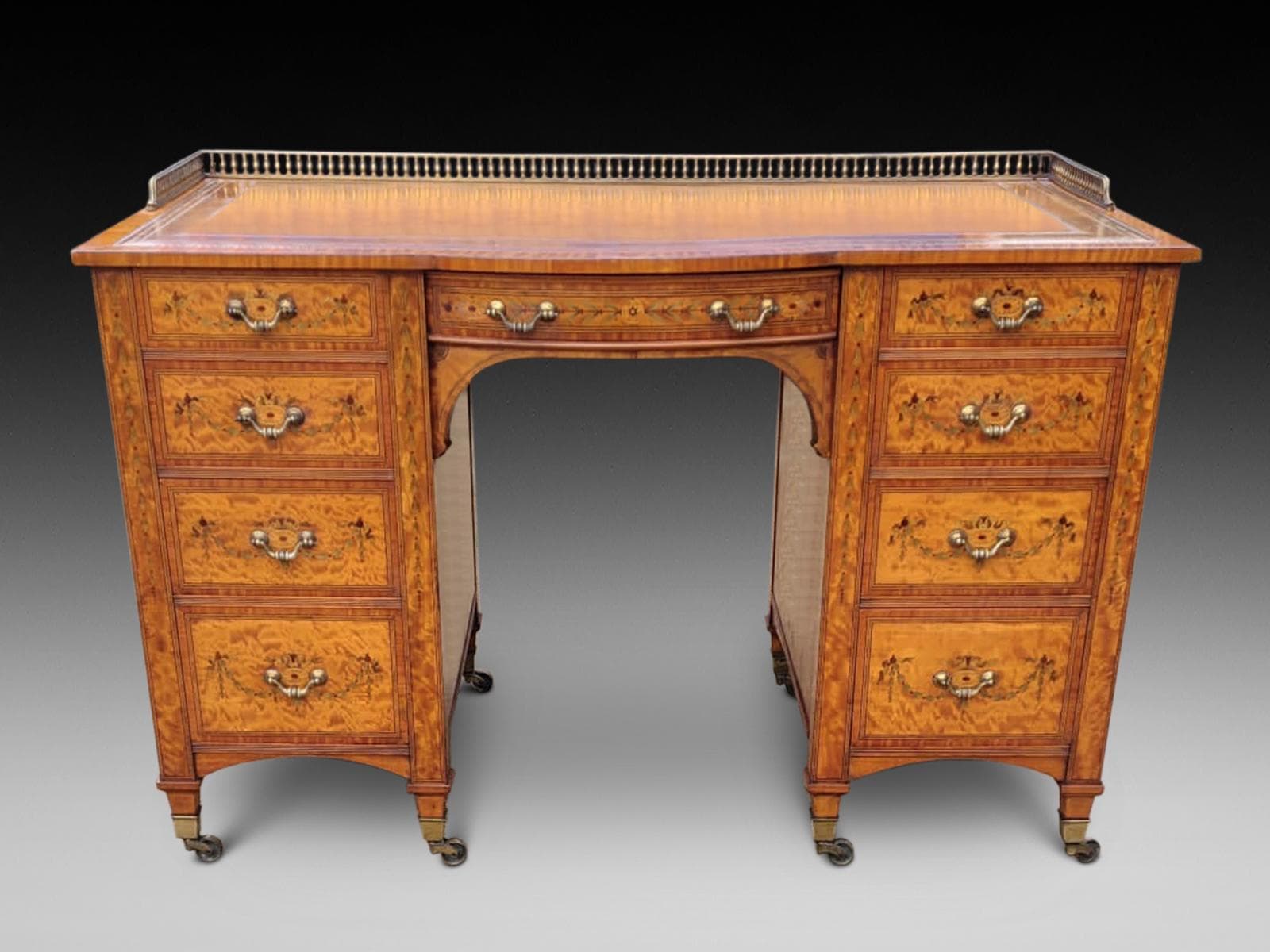
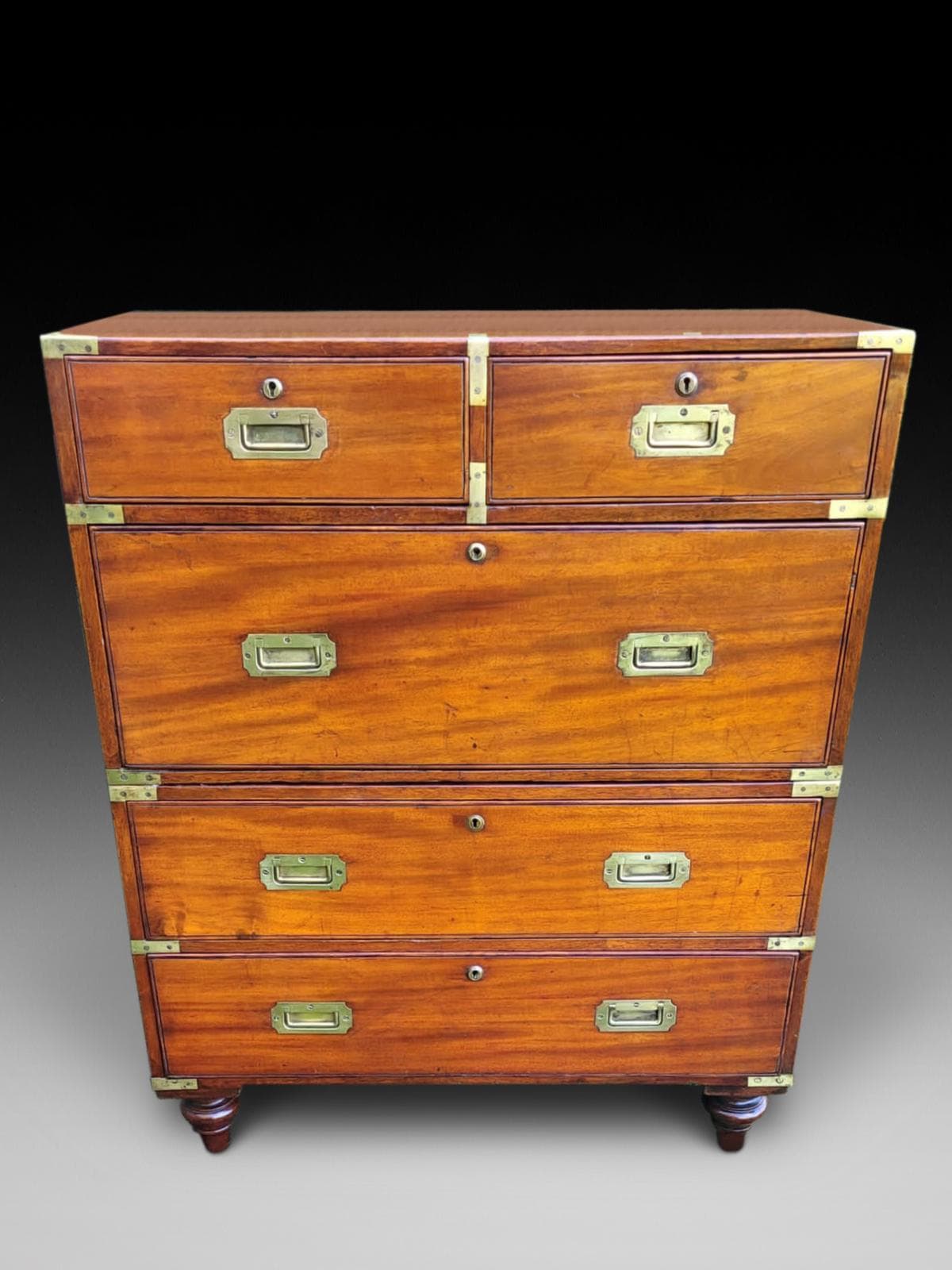
How It Works
Inspect the piece in site or at the workshop, note timber species, veneer condition, filler needs and previous coatings, then agree a restoration plan.
Why Choose us for French Polishing?
40 Years’ Family Expertise
Four decades of family practice preserve traditional French polishing methods for authentic, long-lasting finishes on heirlooms and bespoke pieces.
Specialist Antique Care
Skilled handling of veneers, period joinery and open-grain timbers ensures repairs and finish respect the original construction and patina.
Full Furniture Service
Combined restoration, upholstery and finishing capabilities mean a single craftsman oversees the project from repair to final polish.
Traditional shellac, modern standards. French polishing uses thin coats of shellac applied with a lubricated burr pad to build a warm, depth-filled finish that machine spraying cannot replicate. We treat each timber — mahogany, walnut, rosewood and other cabinet woods — individually: repair veneers, steady loose joints, and prepare the substrate so the shellac bonds correctly. Where grain requires it, we use traditional grain-filling and colour-matching stains to achieve an even, museum-quality surface.
Workshop care, sensible on-site work. Most pieces benefit from workshop restoration where controlled drying and precise repairs take place; fixed joinery such as handrails and stair spindles are completed on-site when required. French polish gives a superior aesthetic and is easily repaired in small areas, but it requires considered maintenance — we leave clear aftercare guidance and can undertake periodic touch-ups. Serves homes across Surrey including Guildford, with projects accepted from Portsmouth and Corbyn where appropriate.